

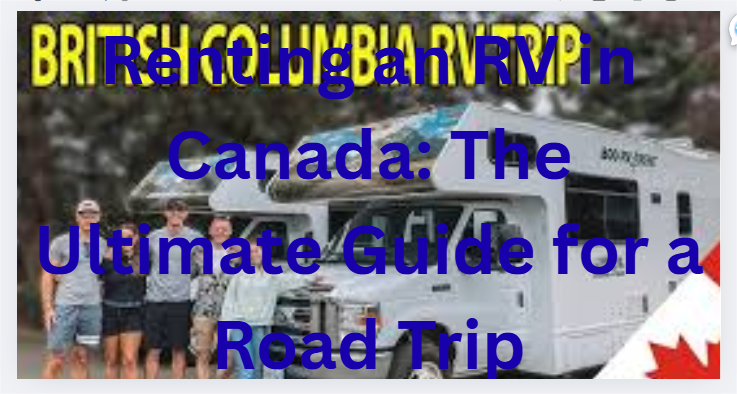
There’s a special kind of magic to a Canadian road trip. It’s the freedom to follow a winding coastal road, wake up to a lake all to yourself, and have your kitchen and bedroom with you wherever you go. Renting an RV is your ticket to this adventure, turning the vast Canadian landscape into your own backyard.
If the idea of renting a home-on-wheels feels a bit daunting, don’t worry. This guide will walk you through everything you need to know, from choosing the right RV to nailing the details, so you can hit the open road with confidence.
First Things First: Choosing Your Home on Wheels
Your first and most important decision is what type of RV to rent. Think of it as choosing your travel companion. The right fit depends on your group size, comfort needs, and driving confidence.
For couples or solo travelers, a Class B Campervan (or “camper van”) is often the perfect choice. It’s essentially a large van that’s been converted into a cozy living space. The big advantage? It drives like a van, so you can park it almost anywhere and it’s great on fuel. You’ll have a small bed, a basic kitchenette, and sometimes a wet bath. It’s all about simplicity and maneuverability.
If you’re traveling with a family or a small group of friends, a Class C Motorhome is the classic RV image. It’s built on a truck chassis with a distinctive cab-over bunk (the bed over the driver’s seat). These offer more space, a separate bathroom, a decent kitchen, and often a dinette that converts into another bed. They strike a good balance between livability and drivability, though they are noticeably larger than a campervan.
For the ultimate in space and comfort, there’s the Class A Motorhome. These are the bus-like giants you see on the highway. They often feel like a small apartment, with residential-sized appliances, multiple slide-outs to expand the living space, and plenty of amenities. Be warned: they require a confident driver and are less suited for narrow, winding roads like those in the mountains.
Don’t forget the Travel Trailer or Fifth Wheel. These require you to have a capable vehicle with a proper hitch (or a fifth-wheel setup in your truck bed). The perk is that once you’ve set up camp, you can detach your tow vehicle and explore the area freely. This is a great option if you already own a suitable truck.
Where to Find Your Perfect RV
You basically have two options: going with a big rental company or renting from a private owner.
Large national companies like Canadream, Fraserway, and Cruise Canada offer fleets of well-maintained, uniform RVs. The process is streamlined, they often have multiple pickup locations, and you get 24/7 roadside assistance. This reliability is a big plus for first-timers.
The other option is peer-to-peer rental marketplaces like RVezy or Outdoorsy. Think of it as Airbnb for RVs. You rent an RV directly from its owner. The benefits here can be huge: more unique and personal vehicles, often at a lower cost. Owners can also give you incredible firsthand advice about their specific rig and local camping spots. Just be sure to read reviews thoroughly.
Booking and Budgeting: The Nitty-Gritty
Once you’ve found your RV, it’s time to book. Do this well in advance, especially if you’re planning a summer trip. Canada’s peak season (June through August) is incredibly popular, and the best RVs get snapped up early.
Now, let’s talk money. The advertised daily or weekly rate is just the start. Your total cost will include several other things:
- Insurance: This is non-negotiable. Make sure you understand the coverage and the deductible.
- Preparation Fees: This one-time fee covers cleaning and prepping the RV for you.
- Kilometer/Mileage Packages: Most rentals include a limited number of kilometers per day. You’ll need to purchase a package if you plan on driving long distances.
- Kitchen and Bedding Kits: You can often rent these to save yourself the hassle of packing pots, pans, and linens.
- Generator Usage: If you plan to camp without electrical hookups, check the policy on generator use.
- Campground Fees: Budget for nightly fees at RV parks, which can range from $30 to $80+.
A good rule of thumb is to add at least 30-40% to the base rental rate to cover these extras and your fuel costs.
Mastering the RV Lifestyle: Tips for a Smooth Trip
A little preparation goes a long way in making your trip stress-free.
Practice Driving Before You Go. Find an empty parking lot to get a feel for the vehicle’s size, practice turning, and get comfortable with the blind spots. Take it slow and remember that everyone was a first-time RVer once.
Plan Your Campground Stays. For popular national parks like Banff or Jasper, you need to book your campsites months in advance. Reservations open early in the year and spots disappear quickly. Have a rough itinerary locked in.
Learn the “Hookups”. You’ll encounter three main hookups at a campsite: electrical power (you need to know what amperage your RV uses, usually 30 or 50 amp), fresh water, and sewer. Don’t worry, it’s easier than it sounds, and plenty of online videos can show you how it’s done.
Pack Smart. An RV has limited space. Bring versatile clothing and don’t overpack. Remember to bring things for outdoor living: camp chairs, a good flashlight or headlamp, and bug spray are essentials.
Renting an RV in Canada is more than a vacation; it’s an experience you’ll remember for a lifetime. It’s about the journey as much as the destination. By doing your homework and embracing the adventure, you’re all set for an incredible trip across one of the most beautiful countries on Earth.
Conclusion
Renting an RV for a Canadian road trip is one of those adventures that truly lives up to the hype. It’s a chance to trade hectic itineraries for spontaneous picnics by a glacier-fed lake and replace hotel room keys with the sound of loons on a quiet evening. While the details of insurance, hookups, and driving a large vehicle might seem intimidating at first, they quickly become part of the journey itself.
The freedom you gain is worth every bit of the planning. Waking up in the heart of the Rockies, having your coffee with a view that changes daily, and sharing stories around a campfire—these are the moments that define an RV trip. So take a deep breath, embrace the learning curve, and get ready for the simple joy of life on the road.
Your RV Questions, Answered
Do I need a special driver’s license to rent an RV in Canada?
For most Class B campervans and Class C motorhomes, your regular driver’s license is perfectly fine. You only typically need a special license for the very largest Class A motorhomes. The rental company will always clarify this when you book, but it’s a great question to ask upfront for peace of mind.
Where am I allowed to park and sleep for the night?
This is a crucial one. While the dream is wild, remote camping, the reality is that you should primarily plan to stay in designated campgrounds. These range from full-service RV parks with all the hookups to more basic provincial or national park sites. “Boondocking” or “dry camping” on public land is possible in some areas, but it requires research and self-sufficiency. Never just pull over on the side of the road to sleep—it’s often illegal and unsafe.
How far in advance should I book my RV and campsites?
For the RV itself, booking 4 to 6 months in advance for a summer trip is a safe bet, especially for popular models. For campsites inside famous national parks like Banff or Jasper, you need to be ready to book the moment reservations open, which is often months ahead. These spots are incredibly competitive.
What happens if I have a mechanical problem on the road?
This is where renting from a reputable company pays off. All major rental companies and peer-to-peer platforms include 24/7 roadside assistance. Before you drive off, make sure you have the contact number saved in your phone and fully understand the process. For minor issues, a quick call can often talk you through a solution.
Is driving an RV difficult?
It’s different, but not overly difficult. The key is to take your time. You’ll need to be mindful of your height (watch for low branches!), your width, and your longer stopping distance. Practice in that empty parking lot until you feel comfortable with the mirrors and the turning radius. After the first hour or two on the highway, it starts to feel much more natural.