

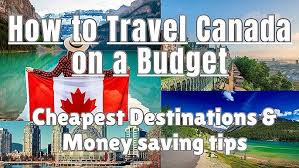
Let’s be honest, Canada isn’t the first place that comes to mind when you think of a cheap vacation. But “expensive” doesn’t have to mean “impossible.” With some clever planning and a shift in how you travel, experiencing the Great White North’s stunning landscapes and vibrant cities is well within reach, even in 2025. The secret isn’t just about finding the cheapest bed; it’s about making smart choices that stretch your loonies and toonies as far as they can go.
This guide is packed with practical, up-to-date tips to help you explore Canada without draining your savings account.
Master the Art of Affordable Accommodation
Forget downtown luxury hotels. Your wallet will thank you for thinking outside the box.
Your best friend for cheap sleeps is hostels. Canada has a fantastic network of them, especially in cities like Vancouver, Toronto, Montreal, and Banff. They’re not just for young backpackers; they offer private rooms too and are hubs for meeting other travelers and finding deals.
For a truly Canadian experience, camping is the way to go. Parks Canada and provincial parks offer thousands of beautiful campsites for a fraction of a hotel room’s cost. Book these months in advance, as the best spots disappear quickly. For the ultimate budget option, look into backcountry camping, which is often even cheaper and gets you away from the crowds.
Don’t overlook university residences. Many universities in major cities rent out their dorm rooms during the summer months (May-August) at budget-friendly rates. You get a simple, clean room, often with kitchen access, right in the city.
Travel Smart, Not Hard
How you get around will be one of your biggest expenses, but it doesn’t have to be.
For long distances, be flexible with flights. Use search engines like Google Flights in “incognito” mode and set up price alerts. Consider flying into a smaller, alternative airport if it’s cheaper.
The real secret for 2025, however, is to embourage the bus. Companies like Rider Express and Poparide (a carpooling app) have expanded significantly, offering incredibly cheap fares between cities that can beat the train and plane by a long shot.
Speaking of the train, VIA Rail is a beautiful way to see the country, but it’s pricey. Look for their “Economy” escape fares on specific routes, or consider a multi-day VIA Rail Canrailpass if you plan on several long train journeys.
Within cities, your feet and public transit are your best allies. Cities like Toronto, Vancouver, and Montreal have excellent and affordable subway, bus, and streetcar systems. Avoid rental cars in cities where parking is a nightmare and expensive.
Eat Well Without the Steep Bill
Dining out for every meal will obliterate your budget. The key is balance.
Embrace the grocery store. This is your number one money-saving tip. Buy breakfast items, sandwich supplies, snacks, and drinks. A simple cooler bag can save you hundreds of dollars on a road trip.
When you do eat out, make lunch your main meal. Many restaurants have significantly cheaper lunch menus for almost the same portions as dinner. Food trucks and local markets are also great for a tasty, affordable meal.
And of course, never buy bottled water. Canada’s tap water is perfectly safe and delicious to drink. Bring a reusable bottle and fill it up anywhere.
Find Free and Cheap Adventures
The best things in Canada are often free. Your itinerary should be built around these.
National Parks do have entry fees, but the Discovery Pass is a game-changer. For one set price, it gives you and your vehicle access to over 80 Parks Canada locations for a full year. If you’re visiting more than two major parks, it pays for itself.
Canada’s cities are packed with free activities. You can spend days exploring:
- Vancouver: Wander around Stanley Park, people-watch at Granville Island, or hike the trails at Lynn Canyon.
- Toronto: Stroll the Toronto Islands, window-shop in Kensington Market, or catch a free concert or movie in a park during the summer.
- Montreal: Hike up Mount Royal for the best views, explore the Old Port, or wander through the Plateau neighborhood.
Look for free walking tours (just remember to tip your guide), and check museum websites for “free admission” nights, which many offer once a month.
A Few Final Pro-Tips for 2025
- Travel in the Shoulder Seasons: The sweet spot is late spring (May-June) and early autumn (September-October). You’ll avoid the peak summer crowds and prices, and the weather is still fantastic.
- Get a No-Foreign-Transaction-Fee Card: Using a credit card that doesn’t charge extra for international purchases will save you a little on every transaction.
- Focus on One Region: Canada is massive. Don’t try to see it all. Pick one or two provinces and explore them deeply. You’ll save a fortune on internal flights and have a more meaningful experience.
Traveling Canada on a budget is all about prioritizing experiences over luxury. It’s about the thrill of waking up in a tent by a glacial lake, the joy of finding a hidden gem in a local market, and the freedom of the open road. With these tips, your 2025 Canadian adventure is not just a dream—it’s an entirely achievable plan.
Your Affordable Canadian Adventure Awaits
As you can see, a trip to Canada doesn’t have to be a luxury. It’s about making smart choices that let you experience the heart of the country without the financial stress. The real value of your journey won’t be in a fancy hotel room, but in the moments you spend watching the sunset over Lake Louise, sharing stories with fellow travelers at a hostel, or cooking a simple meal with local ingredients at a campsite.
You now have the blueprint. You know to camp under the stars, to use a Discovery Pass for park access, and to make the grocery store your best friend. This approach to travel isn’t about missing out; it’s about diving deeper into the authentic Canadian experience—one that’s closer to nature and more connected to the local rhythm.
Frequently Asked Questions
Is the Discovery Pass really worth it?
It absolutely is, but only if your itinerary includes multiple National Parks in one year. If you’re just visiting Banff and Jasper, for example, the pass pays for itself almost immediately compared to paying the daily entry fee for each park. If you’re only visiting city parks or provincial parks, then it’s not necessary. Do the math based on your specific road trip plan.
What is the biggest unexpected cost for budget travelers?
Most people underestimate the cost of getting around. While you can budget for flights and hostels, daily expenses like intercity buses, fuel for a rental car, and local transit passes can add up quickly. That’s why we emphasize strategies like focusing on one region to minimize long-distance travel.
I’m not an outdoorsy person. Can I still do Canada on a budget?
Definitely! The cities are where you’ll find the best free and cheap activities. You can fill days with exploring neighborhoods like Plateau Mont-Royal in Montreal, wandering through Stanley Park in Vancouver, or enjoying the free museums and festivals in Ottawa. The budget travel mindset of using public transit, eating lunch specials, and staying in hostels works perfectly in urban environments.
When should I start booking for a summer 2025 trip?
The sooner, the better, especially for popular campsites and hostels. Reservations for major National Park campsites often open months in advance and sell out within days or even hours. For flights, start monitoring prices about 8-10 months out, but be ready to book when you see a good deal, typically 3-4 months before your trip.
Are there any specific budget tips for solo travelers?
Hostels are your best friend, not just for cheap beds but for social connections and shared travel tips. Many hostels organize free or low-cost group activities. Also, look for single-occupancy rooms in university residences during the summer. Using ride-sharing apps like Poparide can also be a more social and affordable alternative to buses for some routes.