

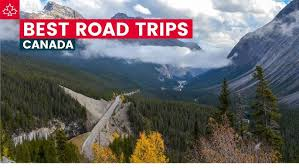
There’s something magical about a Canadian road trip. It’s the ultimate freedom—the open road, stunning landscapes around every bend, and the thrill of discovering hidden gems you won’t find in any guidebook. But an epic journey doesn’t just happen; it takes a bit of savvy planning.
Whether you’re dreaming of mountain peaks, coastal waves, or vast prairies, this guide will help you map out the drive of a lifetime.
Start with the Dream: Choosing Your Perfect Route
Your first step is the most exciting: picking where you want to go. Canada is massive, so focusing on one region is key. Here are three of the most legendary drives to get you inspired:
The Classic: The Canadian Rockies (Banff to Jasper)
This is the journey you see on postcards. The Icefields Parkway, connecting Lake Louise to Jasper, is often called “the most beautiful road in the world.” You’ll be surrounded by jagged, snow-capped mountains, turquoise lakes, and ancient glaciers.
- Highlights: Moraine Lake, Peyto Lake, the Columbia Icefield Sky Walk, and countless hiking trails.
- Good to know: This route is incredibly popular in summer. Book your accommodations and campsites months in advance.
The Coastal Adventure: The Pacific Marine Circle Route, Vancouver Island
For a mix of rainforest, wildlife, and wild Pacific beaches, this loop is unbeatable. Starting and ending in Victoria, you’ll drive through ancient forests, visit the surf town of Tofino, and have a great chance of spotting whales, sea lions, and eagles.
- Highlights: The towering trees in Cathedral Grove, storm-watching in Tofino, and fresh seafood in Cowichan Bay.
- Good to know: You’ll need to take a ferry from Vancouver to Victoria. Reserve your ferry spot ahead of time, especially for a vehicle.
The Eastern Gem: The Cabot Trail, Nova Scotia
Winding around the northern tip of Cape Breton Island, this drive is all about dramatic coastal cliffs, vibrant Celtic culture, and charming fishing villages. The views over the Gulf of St. Lawrence are simply breathtaking.
- Highlights: Hiking in Cape Breton Highlands National Park, listening to live fiddle music in a local pub, and watching for moose.
- Good to know: Fall is a spectacular time to visit, as the foliage turns brilliant shades of red and gold.
The Nitty-Gritty: Planning Like a Pro
Once you’ve chosen your route, the real work begins. A little logistics now will save you from stress later.
When to Go
Timing is everything. For most mountain and coastal routes, the sweet spot is July to September. The weather is warm, all roads and facilities are open, and hiking trails are accessible. Shoulder seasons (May-June or September-October) offer fewer crowds and beautiful scenery, but some services may be limited.
Booking Your Stays
Don’t fall into the trap of thinking you’ll just find a place to sleep. Canada’s popular national parks and tourist towns get fully booked. Reserve your hotels, motels, and especially campsites as early as you can. A mix of both can add variety to your trip.
Your Vehicle is Your Best Friend
Give your car a full check-up before you go. Get the oil changed, check the tire pressure (including the spare!), and make sure your brakes are in good shape. If you’re planning on remote gravel roads, like those in parts of Newfoundland, consider renting an SUV.
Packing for the Unexpected
Canada’s weather is famous for changing in an instant. Packing the right gear can make or break your day.
- Layers are your best strategy. A t-shirt, a fleece, and a waterproof/windproof jacket will prepare you for almost anything.
- Comfortable walking shoes or hiking boots are non-negotiable. You’ll be doing more than just driving.
- A physical map or download offline maps. Cell service is non-existent in many of Canada’s most beautiful areas.
- A cooler bag for picnics, drinks, and snacks. It saves money and lets you enjoy lunch with a view.
- A camera and binoculars for wildlife spotting and capturing those unforgettable moments.
Essential Tips for the Road
To truly have an epic trip, keep these final pieces of advice in mind.
Don’t Over-schedule
The best part of a road trip is the unplanned stop—the random viewpoint, the small-town bakery, the hiking trail you just discovered. Pad your itinerary with extra time for these spontaneous adventures. Trying to drive 8 hours every day will leave you exhausted.
Embrace the “Canadian Pacing”
Wildlife is everywhere. You’ll see cars pulled over for bears, elk, moose, and bighorn sheep. Always slow down in wildlife zones, and never, ever approach an animal. View them from the safety of your car.
Get a Parks Pass
If your route includes national parks like Banff, Jasper, or Cape Breton Highlands, buy a Discovery Pass online ahead of time. It gives you unlimited entry for a year and saves you from waiting in line at the park gate.
Talk to Locals
Some of our best memories came from chatting with a server at a diner or a fellow hiker on a trail. They’ll point you to the best, non-touristy spots and share stories you won’t find anywhere else.
A Canadian road trip is more than a vacation; it’s an experience that stays with you. With the right route, a solid plan, and a spirit of adventure, you’re all set for an unforgettable journey.
Conclusion
In the end, the most epic Canadian road trip isn’t just about checking iconic landmarks off a list. It’s about the freedom you feel with the windows down and the map open. It’s the quiet moments by a hidden lake and the thrill of spotting a bear in the distance. Your journey will be defined by these spontaneous discoveries.
By choosing a route that calls to you, taking care of the practical details ahead of time, and leaving room for the unexpected, you’re not just planning a vacation—you’re crafting an adventure. The memories you make on the open road will be the ones you cherish long after you’ve returned home.
Your Canadian Road Trip Questions, Answered
What is the best time of year for a Canadian road trip?
For most classic routes like the Rockies or the Cabot Trail, the prime window is July through early September. During this time, you’ll have the best weather, all roads and tourist services will be open, and hiking trails will be clear. If you prefer fewer crowds, the “shoulder seasons” of late May/June and September/October can be beautiful, but be prepared for cooler temperatures and the chance that some amenities may be closed.
Do I need a special license to drive in Canada?
If you are a visitor from another country, you can drive in Canada with your valid driver’s license from your home country for short visits (usually up to 90 days). It’s highly recommended to carry an International Driving Permit (IDP) alongside your license, especially if your license is not in English or French.
How far in advance should I book everything?
For a summer trip, book as early as you can. Campsites inside popular national parks like Banff can be reserved months in advance and sell out within minutes. Hotels and rental cars in major tourist towns should be booked at least 3-4 months ahead of time to secure availability and better rates.
Is it safe to drive with wildlife?
Yes, but you must be alert, especially at dawn and dusk. You will likely encounter animals like deer, elk, and moose on or near the road. Always slow down in signed wildlife corridors, scan the roadsides, and never stop in the middle of the road to view an animal. Use designated pull-offs.
What’s one thing most people forget to pack?
A physical map or offline maps! This is a classic mistake. Cell service is incredibly spotty and often non-existent in Canada’s most beautiful and remote regions, including large sections of the Icefields Parkway and the Cabot Trail. Download your route on Google Maps or use a GPS device to avoid getting lost.
Are there any hidden costs I should know about?
A few! Remember to budget for:
- National Park Passes: Entry isn’t free. A daily pass or annual Discovery Pass is required.
- Ferry Fees: Routes in British Columbia, Nova Scotia, and PEI often require ferry reservations, which can be costly for a vehicle.
- Parking: In busy towns like Banff and Jasper, paid parking can be a factor.
Can I just sleep in my car at rest stops?
This practice, known as “boondocking” or “wild camping,” is generally not permitted in most of Canada, especially in national parks and populated areas. Rules vary by province and municipality, but it’s often illegal and can result in a fine. It’s much safer and more reliable to book a designated campsite or other accommodation.