

When people think of Canadian food, the first thing that often comes to mind is maple syrup. And while that sweet, amber liquid is a national treasure, it’s just the beginning of the story. Canadian cuisine is a reflection of the land itself—vast, diverse, and shaped by Indigenous traditions, French and British roots, and waves of immigration from every corner of the globe.
Forget any notion that Canadian food is bland. It’s a hearty, comforting, and sometimes surprising adventure for your taste buds. So, pull up a chair. Here’s a guide to the essential foods you simply have to try when you visit Canada.
Poutine: The Unofficial National Dish
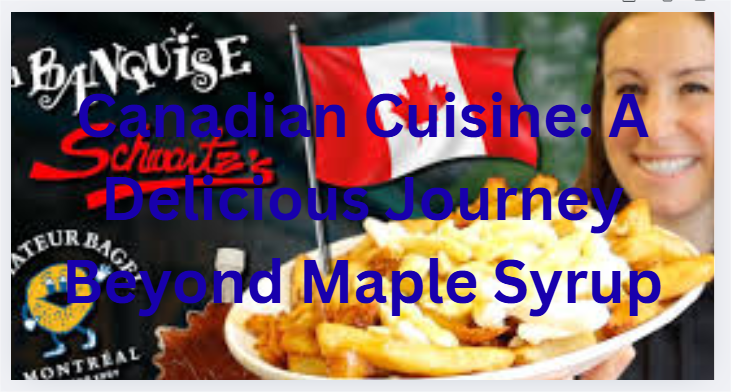
Let’s start with the big one. If you only try one uniquely Canadian dish, make it poutine. Originating in rural Quebec in the 1950s, it’s a beautiful, messy pile of golden french fries, squeaky fresh cheese curds, and rich brown gravy. The magic is in the combination: the heat of the gravy slightly melts the cheese curds, while the fries provide the perfect sturdy base. You’ll find it everywhere from late-night chip trucks to high-end restaurants that might add toppings like pulled pork or foie gras. But for your first time, seek out a classic cabane à patates (chip shack) for the authentic experience.
Butter Tarts: A Sweet and Gooey Legacy
This is Canada’s answer to the pecan pie, but arguably more beloved. A butter tart is a small pastry shell filled with a syrupy, buttery, and eggy mixture. The great debate among Canadians is whether raisins belong in them or not, and whether the centre should be runny or firm. No matter your preference, biting into a warm butter tart is a sweet, decadent experience that feels like home.
Montreal-Style Bagels: A Different Breed
New York, we love you, but Montreal has its own bagel legacy, and it’s a fierce point of pride. These bagels are smaller, denser, and sweeter than their New York cousins. They’re hand-rolled, boiled in honey-sweetened water, and baked in a wood-fired oven, giving them a distinctive smoky flavour and a slightly crisp exterior. They’re often enjoyed still warm from the oven with a simple schmear of cream cheese.
Nanaimo Bars: A No-Bake Legend
Hailing from the West Coast city of Nanaimo, British Columbia, this dessert is a triple-layer bar that requires no oven. It has a crumbly chocolate and coconut base, a middle layer of custardy butter icing, and a top layer of chocolate ganache. They’re incredibly rich, so cut them into small squares. You’ll find them in every coffee shop and bakery across the country, a true lunchbox and potluck staple.
Tourtière: A Hearty French-Canadian Pie
This is the taste of a Quebecois holiday. Tourtière is a savoury meat pie, traditionally made with minced pork, veal, or beef, and seasoned with spices like cloves and cinnamon. Every family has their own recipe, passed down through generations. It’s a warming, comforting dish, often served during Christmas and New Year’s celebrations, but enjoyed all winter long.
Peameal Bacon: The Toronto Sandwich
Don’t confuse this with the crispy strips you have for breakfast. Peameal bacon is made from lean, wet-cured pork loin that’s rolled in cornmeal (it was originally rolled in ground peas, hence the name). It’s known as “Canadian bacon” outside of Canada, but within the country, the star is the “Peameal Bacon Sandwich.” You’ll find the best versions at the St. Lawrence Market in Toronto, where it’s served on a bun, often with mustard.
Atlantic Lobster Rolls
While Maine gets all the press, Canada’s Atlantic provinces—Nova Scotia, New Brunswick, and Prince Edward Island—are lobster powerhouses. An East Coast lobster roll is a beautiful thing: a warm, buttered, or sometimes toasted, hot dog bun piled high with fresh, chilled lobster meat, lightly dressed with mayonnaise or simply drenched in melted butter. It’s the taste of a salty ocean breeze on a summer day.
Bannock: An Indigenous Staple
This simple, versatile bread is a foundational food of Indigenous peoples across Canada. It’s a flatbread that can be fried, baked, or cooked over an open fire. Today, you can find it served in many forms, from a simple, pillowy fry bread to versions used as the base for “Indian Tacos,” topped with seasoned meat, cheese, and vegetables. Trying bannock is a way to connect with the deep, original culinary history of the land.
Beavertails: The Ultimate Fair Treat
Imagine a stretched, fried dough pastry, shaped like a beaver’s tail, and covered in sweet toppings. That’s a Beavertail. The classic version is slathered in cinnamon and sugar, but you can get them with chocolate hazelnut spread, maple syrup, or even garlic and cheese. It’s a must-have treat at winter festivals, skating on the Rideau Canal, or any summer fair.
Saskatoon Berry Pie: The Taste of the Prairies
If you’re visiting the Prairie provinces (Alberta, Saskatchewan, Manitoba), you have to try a dessert made with Saskatoon berries. These purplish-blue berries grow wild and have a sweet, nutty, almond-like flavour. They’re often baked into pies that rival, and some would say surpass, a classic blueberry pie. It’s a truly local flavour you won’t find many other places in the world.
The beauty of Canadian food is its ability to tell a story—of survival, of the seasons, of cultural fusion, and of pure, simple comfort. So go on, be adventurous. Your culinary journey through Canada will be one of the most memorable parts of your trip.
Conclusion
In the end, exploring Canadian cuisine is about so much more than just checking dishes off a list. It’s about understanding the character of the country itself. It’s hearty and resilient, like a tourtière warming you up on a cold winter night. It’s joyfully unpretentious, found in the messy perfection of a poutine from a roadside chip truck. And it’s wonderfully diverse, reflecting the many cultures and landscapes that have shaped the nation.
Each of these foods is a story on a plate, a delicious entry point into a different part of Canada’s soul. So go beyond the iconic maple leaf and dive into the real flavors. From the east coast to the west, and every province in between, you’ll find that Canadian food is a welcoming, comforting, and unforgettable experience. Your taste buds will thank you for the adventure.
Your Questions Answered
I’m vegetarian. Will I be able to enjoy Canadian food?
Absolutely! While some iconic dishes like poutine (with traditional gravy) and tourtière are meat-based, you’ll find fantastic vegetarian versions all over the country, especially in larger cities. Poutine can be made with vegetable gravy, and many restaurants offer creative vegetarian tourtière fillings like lentils and mushrooms. Dishes like bannock, Beavertails, butter tarts, and Nanaimo bars are also naturally vegetarian.
What’s the difference between peameal bacon and regular bacon?
They’re quite different. The bacon most people know is streaky, smoked, and fried until crispy. Peameal bacon is made from the lean, centre-cut boneless pork loin. It’s wet-cured (not smoked) and rolled in cornmeal, giving it a completely different texture and a milder, sweeter flavour. It’s typically served cooked but still juicy and soft, perfect for a sandwich.
Is Canadian food generally heavy or unhealthy?
It can be hearty, given the country’s cold climate—think of poutine, pies, and pastries as classic comfort foods. However, Canada’s culinary scene is incredibly diverse. You can easily find lighter, healthier options, especially with the focus on fresh, local ingredients. From West Coast seafood salads to vibrant farmer’s market produce, there’s a full spectrum of choices. Think of the indulgent dishes as the “must-try” specialties, not an everyday meal.
Where is the best place to try these foods?
The best place is often the most authentic. For poutine, look for a Quebec-style “cabane à patates” (fry shack). For a peameal bacon sandwich, head to the St. Lawrence Market in Toronto. The best lobster roll will be at a seaside shack in Nova Scotia or PEI. For treats like butter tarts and Nanaimo bars, any local bakery or café will have you covered. Part of the fun is seeking out the places locals love.
Are Beavertails and Elephant Ears the same thing?
They’re very similar cousins! Both are fried dough pastries. The main difference is that a Beavertail is a specific brand that originated in Ontario and is stretched to be long and oval-shaped (like a beaver’s tail). The term “Elephant Ear” is more generic and often refers to a similar fried dough that is wider and rounder. In Canada, you’re most likely to find the branded “Beavertails,” especially at festivals and tourist areas.