

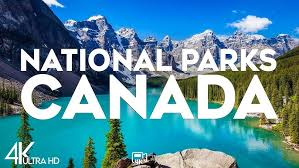
Canada’s soul lives in its wild places. With vast stretches of untamed wilderness, towering mountains, and crystal-clear lakes, the country’s national parks are a playground for anyone with a sense of adventure. But with over 40 to choose from, where do you even begin?
For the true outdoor enthusiast, it’s not just about the prettiest photo spot. It’s about the journey, the challenge, and the raw connection with nature. This guide isn’t a list of every park; it’s a curated selection of the best parks for those who want to lace up their hiking boots, paddle through serene waters, and sleep under a blanket of stars.
Banff National Park, Alberta: The Classic Canadian Adventure
Let’s get the obvious one out of the way first. Banff is iconic for a reason. Nestled in the heart of the Canadian Rockies, it feels like you’ve stepped into a postcard. But don’t mistake its beauty for being tame.
For the adventurer, Banff is a launchpad. While the town of Banff can be bustling, you only need to venture a short distance to find solitude. Hike the punishing switchbacks up to the Plain of Six Glaciers for a well-earned tea in a historic tea house. Or, for a truly unforgettable experience, strap on a headlamp and embark on a multi-day backpacking trip along the Skoki Loop, where you’ll be rewarded with alpine meadows and emerald lakes, all without the crowds.
The key here is to go beyond Lake Louise’s shoreline. Rent a canoe and explore its less-traveled corners, or hike high above Moraine Lake for a perspective few ever see. Banff rewards those who are willing to put in the effort.
Pacific Rim National Park Reserve, British Columbia: Where the Rainforest Meets the Sea
Trade mountain peaks for the power of the Pacific Ocean. Pacific Rim, on Vancouver Island’s west coast, offers a completely different kind of adventure. This is a place of storm-watching, long beach treks, and world-class surfing.
The West Coast Trail is the main event here. This 75-kilometer (47-mile) multi-day trek is a rite of passage for serious hikers. It’s a challenging journey involving ladders, cable cars, and navigating slippery coastal terrain. But the reward is an unparalleled wilderness experience along a stunning, rugged coastline.
If that sounds a bit too intense, the park’s Long Beach unit offers incredible day hikes. Walk for miles on hard-packed sand, explore tide pools teeming with life, and watch surfers brave the chilly, powerful waves. The energy here is raw and humbling.
Gros Morne National Park, Newfoundland: A Walk Through Deep Time
This UNESCO World Heritage site is often called the “Galapagos of Geology,” and for good reason. Gros Morne doesn’t just show you beautiful scenery; it tells you a billion-year-old story of how the Earth was formed.
The adventure here is both physical and intellectual. The park’s namesake, Gros Morne Mountain, is a challenging full-day hike that rewards you with breathtaking views of the Long Range Mountains and the fjord below.
But the real standout is the Tablelands. Here, you can walk on the Earth’s mantle—rock that was forced up from the deep crust during the collision of continents. The landscape is a surreal, rust-colored expanse that feels otherworldly. For a unique adventure, kayak through the serene, cliff-lined waters of Western Brook Pond, a landlocked fjord.
Jasper National Park, Alberta: Banff’s Wilder Cousin
If you find Banff a little too polished, head north to Jasper. It’s larger, more rugged, and feels significantly more remote. The wildlife sightings are more frequent (always keep a safe distance!), and the dark sky preserve offers some of the most incredible stargazing on the planet.
Jasper is a hiker’s paradise. The Skyline Trail is arguably one of the most spectacular multi-day backpacking routes in the Canadian Rockies, spending most of its time high above the treeline with panoramic views. For a day hike, the Sulphur Skyline Trail is a steep but absolutely rewarding climb that ends with a 360-degree view of untouched wilderness.
After a long day on the trail, there’s no better way to soothe your muscles than with a soak in the Miette Hot Springs, the hottest springs in the Canadian Rockies.
Yoho National Park, British Columbia: The Underrated Gem
Right next door to Banff, Yoho is often overlooked—which is exactly its appeal. The name “Yoho” is a Cree word expressing awe and wonder, and it’s perfectly fitting.
This park packs a serious punch for its size. Tackle the steep hike to the summit of Paget Peak for a staggering view of the iconic Lake O’Hara region (which requires a separate, hard-to-get bus reservation). Stand beneath the powerful Takakkaw Falls, one of Canada’s tallest waterfalls. Or, for the truly adventurous, embark on the Iceline Trail, a challenging day hike that makes you feel like you’re walking on a glacier-scoured moon.
Yoho is for the adventurer who wants world-class scenery without the world-class crowds.
A Final Word Before You Go
Canada’s national parks are treasures that demand respect. Your adventure should be safe and sustainable.
- Plan Ahead: Reserve your Parks Canada Discovery Pass and, crucially, your camping spots or shuttle bus tickets well in advance. They sell out months ahead of time for popular parks.
- Be Wildlife Smart: You are a guest in their home. Carry bear spray, know how to use it, and make noise on the trail.
- Leave No Trace: Pack out everything you pack in. Preserve the pristine beauty for the next adventurer.
Your Adventure Questions, Answered
What’s the best time of year to visit these parks for hiking?
The sweet spot is generally from late June to early September. During this window, most of the high-elevation trails in the Rockies (like in Banff and Jasper) are free of snow, and the weather is most reliable. Pacific Rim is best in the summer to avoid its famously rainy fall and winter seasons. Always check the Parks Canada website for specific trail conditions before you go, as snow can linger on some passes into July.
I’m not an experienced backpacker. Are there still adventures for me?
Absolutely! You don’t need to be an expert to enjoy these places. Every park offers a range of experiences. You can find stunning, well-maintained day hikes that are a few hours long, rent a canoe for a paddle on a calm lake, or simply enjoy a scenic drive and have a picnic. The beauty of these parks is that they offer accessibility alongside true wilderness for those who seek it.
Do I need a permit to visit?
Yes, you need a Parks Canada Discovery Pass for entry into most national parks. It’s your general admission ticket. However, for specific activities, you need more:
- Camping: You absolutely must reserve a campsite in advance. They book up incredibly fast, often months ahead.
- Shuttles/Buses: For popular areas like Lake Louise in Banff or access to Lake O’Hara in Yoho, you need a separate shuttle bus reservation to even get there during peak times.
Always check the specific park’s website for what you need to book ahead.
Is bear spray really necessary?
In a word, yes. In the mountain parks and coastal regions, you are in active bear country. Carrying bear spray and knowing how to use it is a critical safety precaution. It’s not just for grizzly bears; it’s effective for any large wildlife encounter. You can usually rent or buy it in towns near the parks. Remember, it’s not a repellent—you don’t spray it on yourself—it’s a last-resort deterrent if a bear charges.
Which park is the most crowded?
Banff National Park, especially the areas around the town of Banff, Lake Louise, and Moraine Lake, sees the highest volume of visitors. If your main goal is solitude, you’ll want to focus on the backcountry areas of Banff or consider parks like Jasper, Yoho, or Gros Morne, which feel significantly more remote.
What’s the one thing most people forget to pack?
Layers! Even in the middle of summer, mountain weather is notoriously unpredictable. A sunny, warm day can quickly turn into a cold, rainy, or even snowy one, especially at higher elevations. A waterproof jacket, a warm fleece, and a hat are non-negotiable. Comfortable, broken-in hiking boots are a very close second.