

So, you’re planning a trip across Canada. Get ready for an adventure of a lifetime. The second-largest country in the world, Canada offers everything from vibrant, multicultural cities to vast, untouched wilderness. But how on earth do you get around? Navigating this magnificent country is a key part of the experience. Let’s break down your options for trains, planes, and automobiles to help you plan the perfect Canadian journey.
The Romance of the Rails: Traveling by Train
There’s something undeniably magical about train travel in Canada. It’s less about getting from A to B quickly and more about the journey itself.
VIA Rail: The National Experience
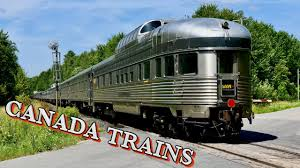
VIA Rail is Canada’s national passenger rail service. Its crown jewel is The Canadian, the route that travels between Toronto and Vancouver over four incredible days. This isn’t just transportation; it’s a moving hotel that glides through the heart of the Canadian Shield, past the shimmering lakes of Northern Ontario, and across the endless prairies and majestic Rockies.
- The Scenery: You’ll see parts of Canada completely inaccessible by road.
- The Comfort: Spring for a sleeper cabin if you can. It includes all your meals in the dining car, access to showers, and a comfortable bed for the night. It’s a splurge, but worth it for a once-in-a-lifetime trip.
- The Corridor: For a more conventional train experience, the Quebec City-Windsor Corridor (connecting cities like Montreal, Ottawa, and Toronto) is a high-frequency route. It’s efficient, comfortable, and often faster than driving when you factor in city traffic.
A Word on Cost and Time: Trains in Canada are rarely the cheapest or fastest option. They are for the traveler who values the experience, the scenery, and the relaxation.
Conquering the Skies: Traveling by Plane
For covering Canada’s vast distances efficiently, flying is your best friend. A five-day drive can become a five-hour flight.
The Major Airlines
- Air Canada: The country’s largest carrier, with the most extensive domestic network. They service all major cities and many smaller regional hubs.
- WestJet: Started as a western-based budget airline but has grown into a full-service competitor to Air Canada. They often have competitive prices and a great reputation for customer service.
Budget Carriers are Your Friend
To save money, always check the budget airlines. Porter Airlines, with its hub at Billy Bishop Toronto City Airport, is a fantastic experience offering convenience and style. Lynx Air and Flair Airlines are ultra-low-cost carriers—perfect if you’re traveling with just a carry-on and need a cheap, no-frills ticket.
Booking Tips:
- Be flexible with your dates if possible.
- Book well in advance for the best prices, especially for travel in the summer or around holidays.
- Always read the fine print on baggage fees with budget airlines—the cheap ticket can become expensive once you add luggage.
The Freedom of the Open Road: Traveling by Car
If you want ultimate flexibility to explore hidden gems and stop at every scenic overlook, a road trip is the way to go.
Renting a Car or Campervan
All the major international rental companies are present at airports and city centers. For a true Canadian experience, consider renting a campervan. It combines your transport and accommodation into one, giving you the freedom to wake up next to a mountain lake.
The Trans-Canada Highway
This is the mother of all Canadian road trips. Stretching over 7,800 kilometres from Victoria, BC, to St. John’s, Newfoundland, it’s one of the longest highways in the world. You don’t have to drive the whole thing, but driving any section of it is an adventure.
Key Things to Know Before You Drive:
- Distances are Massive: Don’t underestimate them. A map might show two towns close together, but they could be hours apart. Plan your driving segments carefully.
- Check Conditions: This is crucial, especially in spring and fall. Mountain passes can close due to snow, and rural roads can be challenging. Always check road conditions before you set out.
- Wildlife is Real: From moose in the east to deer and elk in the west, wildlife on the road is a serious hazard. Be extra vigilant at dawn and dusk.
Making the Right Choice for Your Trip
So, which mode of transport is right for you? It often comes down to a blend of time, budget, and the experience you’re seeking.
- The Time-Pressed City Hopper: If you have limited time and want to see Vancouver, Toronto, and Montreal, fly between the major hubs. It’s the only practical choice.
- The Scenic Adventurer: If your dream is to witness Canada’s raw, breathtaking landscapes and you have the time to spare, the train is an unforgettable experience.
- The Flexible Explorer: If you want to get off the beaten path, explore national parks at your own pace, and discover small towns, a road trip is unbeatable.
Don’t be afraid to mix and match! A popular and highly effective itinerary is to fly into one city (like Vancouver), rent a car for a regional road trip (like through the Rockies), and then take a train to your next destination before flying home.
No matter how you choose to navigate it, Canada is a country that rewards the curious traveler. By choosing the right transportation for your style, the journey itself will become one of your fondest memories. Now, all that’s left to do is start your engine, find your seat, or fasten your seatbelt. Your Canadian adventure awaits.
Conclusion
At the end of the day, there’s no single “best” way to travel across Canada. The perfect choice is the one that fits your travel style, your timeline, and your sense of adventure.
Think of it this way: the plane is for your schedule, the train is for your soul, and the automobile is for your spirit. Each one offers a completely different perspective on this vast and beautiful country.
The real magic often happens when you combine them. Maybe you fly into a major city to save time, then rent a car to dive deep into the surrounding landscapes. Perhaps you treat yourself to one legendary train segment and drive the rest. Canada is built for this kind of hybrid exploration.
So, don’t get stuck on finding one perfect answer. Instead, think about the story you want to tell. Do you want the epic narrative of the cross-country train? The freedom-filled tale of a classic road trip? Or the efficient plot of hopping between dazzling cities?
Your Canada Travel Questions, Answered
1. Is it better to drive or take the train through the Canadian Rockies?
This is a classic dilemma. The train (like VIA Rail’s The Canadian or Rocky Mountaineer) offers breathtaking, unobstructed views and total relaxation—you can’t beat gazing at glaciers from a glass-dome coach. Driving, however, gives you the ultimate freedom to stop at every lookout, hike a spontaneous trail, and explore towns like Banff and Jasper at your own pace. For sheer scenery, the train wins. For flexibility and deep exploration, the car is king.
2. I’m flying within Canada. How early should I book for the best price?
For the best deals on domestic flights, aim to book between 3 to 4 months in advance, especially for peak summer travel. If you’re using a budget airline like Flair or Lynx, be sure to factor in baggage fees, as that cheap ticket can double in price once you add a checked bag.
3. Are there any hidden costs I should know about for a Canadian road trip?
Beyond rental and gas, a few things can add up:
- Park Passes: You need a Parks Canada Discovery Pass to enter national parks like Banff or Jasper, which is a must for most road trips.
- Tolls: Some major highways, like Highway 407 north of Toronto, are electronic toll roads that will bill the rental company, who will then bill you (often with an admin fee).
- Ferries: If your trip involves coastal travel in BC or getting to Newfoundland, ferry costs for you and your car can be significant.
4. Is the VIA Rail pass a good deal?
The VIA Rail Conrail pass can be excellent value if you’re planning multiple long-distance train journeys within a short period. However, for a single trip (like Toronto to Vancouver), it’s often better to book a specific fare, especially if you can snag a sleeper cabin deal. Always price it both ways before you commit.
5. What’s one thing most tourists underestimate about traveling in Canada?
The sheer physical distance between major sights. It’s easy to look at a map and think, “I’ll just pop from Vancouver to Calgary for the day.” In reality, that’s a 10-hour drive or a 1-hour flight. Be realistic about your itinerary—trying to cover too much ground will leave you exhausted. It’s better to see less and enjoy it more.