

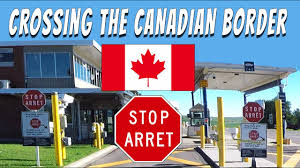
Let’s be honest, the thought of crossing an international border can make even the most seasoned traveler a little nervous. Visions of stern officers, confusing paperwork, and unexpected delays can pop into your head. But a trip to Canada doesn’t have to start with stress. The key to a smooth entry isn’t a secret handshake; it’s simple, smart preparation.
Whether you’re driving across the Peace Bridge from New York, flying into Vancouver, or arriving by sea, this guide will walk you through everything you need to know to cross the Canadian border with confidence.
Getting Your Documents in Order
This is the non-negotiable foundation of your trip. Having the correct, up-to-date documents is the single most important factor for a hassle-free entry.
For most travelers, you will need:
- A Valid Passport: The gold standard for entry. For air travel, a passport book is mandatory. For land and sea crossings, U.S. citizens can use a passport card or an Enhanced Driver’s License if their state offers it.
- Visitor Visa or eTA (Electronic Travel Authorization): This is where many people get confused. What you need depends on your citizenship.
- U.S. Citizens: You do not need a visa or an eTA for tourist visits.
- Other Nationalities: Many visa-exempt foreign nationals (e.g., from the UK, Australia, France) need an eTA to fly to or transit through Canada. This is a simple online application that costs $7 CAD and is usually approved within minutes. Always check the official Government of Canada website to confirm your specific requirements.
A quick but crucial tip: Before you leave, make sure your passport isn’t about to expire. While Canada only requires it to be valid for the duration of your stay, some airlines have their own rules, and you don’t want any last-minute surprises.
What to Expect at the Border
Knowing what’s coming can ease a lot of anxiety. The border officer’s job is to verify your identity and ensure you meet the requirements for entry. They are trained to be thorough, not to be intimidating.
When you pull up to the booth or speak to the officer at the airport, they will almost certainly ask you a few standard questions. The key is to be clear, concise, and honest.
Common questions include:
- What is the purpose of your visit? (e.g., vacation, visiting family)
- How long do you plan to stay?
- Where will you be staying?
- Are you bringing any firearms, alcohol, or tobacco?
- Are you bringing any goods or gifts over the value of $60 CAD per person?
- Do you have any fresh fruits, vegetables, or meats?
The goal is to confirm you are a genuine visitor who will leave at the end of your authorized stay and that you aren’t bringing in prohibited items.
Smart Planning for a Smooth Crossing
A little strategic thinking can save you hours of waiting and frustration.
Choose Your Time Wisely
Border wait times can vary dramatically. Generally, the busiest times are Friday and Sunday afternoons/evenings, holiday long weekends, and the summer peak season. If you can, aim to cross mid-week or during the morning hours. You can check current estimated wait times for land borders on the Canada Border Services Agency (CBSA) website.
Prepare for the “Maybe” Items
You know you can’t bring in firearms or illegal drugs. But what about other common items?
- Alcohol: You are allowed a limited amount of alcohol (e.g., 1.5L of wine or a large standard bottle of liquor) duty-free if you are of legal age in the province of entry.
- Tobacco: Similarly, you can bring a limited quantity of cigarettes.
- Food: This is a big one. Many fruits, vegetables, and animal products are restricted to prevent the introduction of pests and diseases. When in doubt, declare it. It’s always better to have an officer say “no” than to face a fine for failing to declare.
- Pets: If you’re bringing a dog or cat, you’ll need a valid rabies vaccination certificate. Check the specific requirements well in advance.
Use Technology to Your Advantage
The CBSA offers a great, free app called “CBSA Advance Declaration.” You can use it to complete your customs and immigration declaration before you arrive at the airport in Canada. This can save you a significant amount of time, allowing you to skip the regular lines and head to a dedicated kiosk. It’s a game-changer for air travelers.
Final Checklist for a Seamless Entry
Right before you reach the border, do a quick mental run-through.
- Documents Ready: Have all passports and travel documents for everyone in the vehicle or your travel group easily accessible. Don’t bury them at the bottom of a suitcase.
- Be Ready to Declare: If you’re unsure about an item, the answer is always to declare it. Honesty is always the best policy and can prevent penalties.
- Turn Down the Music: When you approach the inspection booth, turn off or significantly lower your radio. It’s a simple sign of respect that makes the conversation easier.
- Answer for Your Group: If you’re traveling with family, designate one person to answer the officer’s questions to avoid confusion and cross-talk.
Crossing into Canada should be the exciting start to your adventure, not a hurdle to overcome. With your paperwork prepared, a clear understanding of the process, and a polite and honest approach, you’ll be sipping a Tim Horton’s coffee and enjoying the beautiful Canadian scenery before you know it.
The Final Step: Walking In with Confidence
In the end, crossing into Canada smoothly isn’t about memorizing a complex rulebook. It’s about a simple mindset: be prepared, be patient, and be honest. You’ve done the work—your documents are in order, you’ve checked the wait times, and you know what to declare. Now, all that’s left is to take a deep breath and approach the border with confidence.
The officer’s questions are just the final step before your adventure begins. Answer them clearly, and remember that this quick conversation is the gateway to everything you’ve planned for. With the formalities behind you, you’re free to explore, relax, and create wonderful memories. So pack your bags, grab your passport, and get ready to enjoy your trip. Welcome to Canada
Your Border Crossing Questions, Answered
Here are answers to some of the most common questions we hear about crossing into Canada.
I have a DUI on my record from years ago. Can I still get into Canada?
This is a very serious matter in the eyes of Canadian law. A DUI (or other serious criminal offense) can make you “criminally inadmissible.” It does not automatically bar you for life, but you cannot simply cross and hope they don’t check. You will likely need to go through a process called “Criminal Rehabilitation” or obtain a Temporary Resident Permit (TRP) before you travel. Do not attempt to cross without addressing this first, as you will almost certainly be turned away.
Do my kids need a passport too?
Yes, every person, regardless of age, needs their own passport or other approved WHTI-compliant document (like a passport card) to enter Canada. There are no exceptions for infants or children.
I’m just driving through Canada to get to Alaska. Do the same rules apply?
Absolutely. Even if you’re just transiting, you are entering Canada and must clear customs and immigration. The same documentation and rules apply. Be prepared to explain your travel plan and show that you have a concrete destination in Alaska (like a hotel or ferry reservation). Officers need to be sure you’re genuinely just passing through.
How much cash can I bring with me?
There is no limit to how much money you can bring into Canada. However, if you are carrying currency or monetary instruments valued at $10,000 CAD or more, you must report it to the CBSA officer when you arrive. Failing to declare can lead to fines and seizure of the funds. This rule is for anti-money laundering purposes and isn’t a tax—it’s just a declaration.
What’s the biggest mistake people make at the border?
Without a doubt, it’s failing to declare items because they are unsure or afraid they’re not allowed. The golden rule is: “When in doubt, declare it.” An officer will thank you for your honesty and simply tell you that you can’t bring an item in. But if you fail to declare something you should have, you can face stiff fines, have the goods seized, and may even be denied entry. Honesty is always the least stressful path.